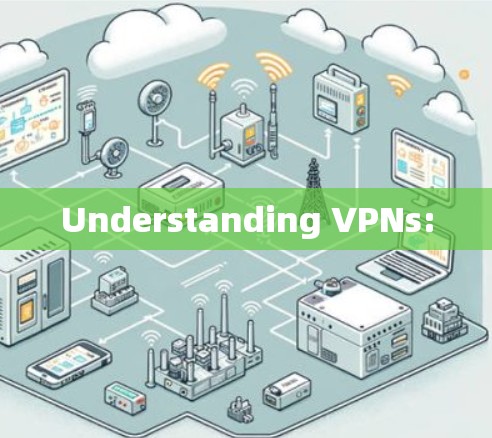
Understanding VPNs:
VPN poisoning is a serious issue that involves the introduction of harmful content or malware into a VPN service, leading to its potential shutdown or unauthorized access. Here's a structured overview of the topic: VPNs, or Virtual Private Networks, allow users to access the internet over a private network, often using proxy servers to transfer traffic. A VPN can be targeted by malicious actors, leading to its poisoning.
Causes of VPN Poisoning:
- Infection of the VPN by Malware: Malicious files, including viruses, worms, and ransomware, can spread through the VPN's network, disrupting its functionality.
- Weak Security Protocols: Outdated software with insufficient encryption, authentication, or access control can make the VPN more vulnerable to attacks.
- Viral Content: Some websites or services may have been injected with harmful content, potentially harming the VPN.
- Network Intrusion: Attackers may disrupt the proxy server, leading to targeted attacks on the VPN service.
- Distrust in the Service: As users and providers lose trust, they may be more susceptible to attacks.
- Malware Distribution: Various malware, including ransomware, can spread through the network.
- Insufficient Monitoring: Without proper monitoring, a VPN may be more vulnerable to attacks or targeted by attackers.
- Human Error: Simple mistakes or phishing attempts can introduce malicious content.
Impact on Users:
- Data Loss: Targeted VPNs can lead to data breaches, loss of access, or service shutdown.
- Account Activation Issues: Users may face problems with account activation or activation issues.
- Service Shutting Down: The VPN may shut down entirely if targeted.
Technical Aspects:
- Reverse Engineering: Open-source software can be exploited to introduce harmful code.
- Third-Party Services: Insecurity in third-party services can expose a VPN to attacks.
- User Education: Users should be aware of the importance of checking the reliability and security of VPN services.
Historical Context and Solutions:
- Examples: While specific incidents are rare, historical context helps understand the issue.
- Updates and Patches: Regular software updates and patches are crucial for addressing vulnerabilities.
- Best Practices: Creating secure VPN services involves strong encryption, regular monitoring, and user training.
Conclusion:
VPN poisoning is a complex issue involving multiple factors. To mitigate it, a combination of technical measures, user awareness, and adherence to security best practices is necessary. Addressing this issue requires ongoing vigilance and proactive measures.
相关推荐
-

翻墙软件全球节点介绍
翻墙软件(Forking Software)是指通过网络设备将用户从一个局域网(Local Area Network,LAN)...
-

在选择翻墙软件时,以下是一个综合考虑的因素和推荐列表
合法性:确保软件不会获取或泄露网络资源,避免法律风险。 安全性:软件应无漏洞,防止恶意代码攻击。 兼容性:支持你的操作...
-
轻松绕过所有VPN和网络限制
介绍 翻墙软件,也叫网络过滤软件(NFS),是一种帮助用户绕过网络限制和安全审查的工具,这些软件通过访问特定的网站或下载...
-

翻墙软件的使用反馈是一个复杂而重要的环节,对于改进工具和收集用户意见至关重要。以下是一些关于翻墙软件使用反馈的常见反馈渠道和处理建议
反馈渠道 以下是一些用户可以通过官方渠道或社区寻求反馈的方式: (1) 官方网站或官方渠道 理由:用户可以通过翻...
-

翻墙软件是一种用于绕过互联网安全限制或链接的工具,广泛应用于不同地区的互联网访问中。以下是对翻墙软件的系统介绍,帮助你更好地理解和使用
翻墙软件的定义与功能 翻墙软件是一种提供访问外部网络或绕过网站防火墙的工具,它通过某种方式绕过网站的访问限制,例如防火墙阻止...
-

翻墙软件是解决网络问题的工具,可以帮助您访问被屏蔽的网站。以下是使用翻墙软件的基本技巧及步骤
了解翻墙软件的使用方法 进入模式:密码允许访问特定网站,适合需要特定访问的用户。 屏蔽模式:无需密码访问其他网站,适合...